
CATMAN brought a Japanese real-estate workflow into OpenDesign.
A Japanese real-estate professional turned the daily friction of brochures, presentations, and sales materials into product feedback, then demonstrated the workflow in Osaka.
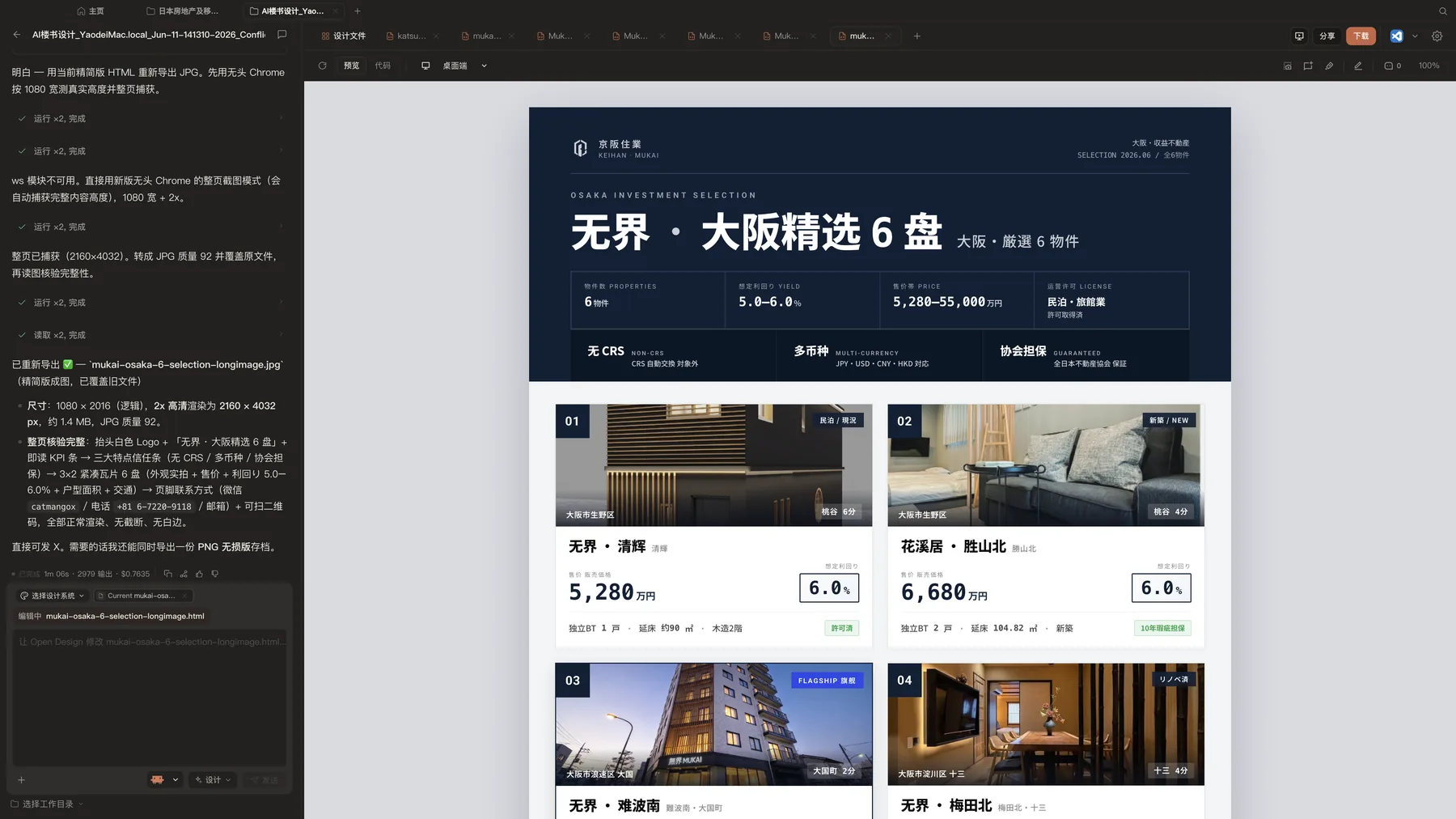
A sales brochure has to survive the next revision.
In Japanese real estate, a sales brochure rarely belongs to one person, one channel, or one moment. The same property may move through different languages, agencies, and customer groups. A partner needs another logo. A salesperson needs a new phone number or URL. A Chinese or English version changes the words, hierarchy, spacing, and amount of information.
CATMAN needed the finished page to remain editable so his team could revise it, share source files, adapt it for another channel, and keep using it in the sales process.
CATMAN’s feedback tied OpenDesign to the work his team does every day.
He began with the constraints of real-estate work.
CATMAN first connected with the team through Discord. He described the materials his work depended on: multilingual brochures, presentations, websites, source-file sharing, and repeated changes for different sales channels.
He could translate the realities of Japanese business workflows into concrete product questions about editability, reusable layouts, consistent visual systems, and practical file handoff. The ambassador relationship grew from those questions.
A brochure became a working OpenDesign use case.
CATMAN and his team used OpenDesign to create brochures for investment properties in Osaka. The work combined structured property information, imagery, visual hierarchy, persuasive presentation, and the sense of trust a high-consideration purchase requires.
The finished brochure remained editable. The team could keep refining it for the next partner, language, or sales channel.
He brought the workflow into the room.
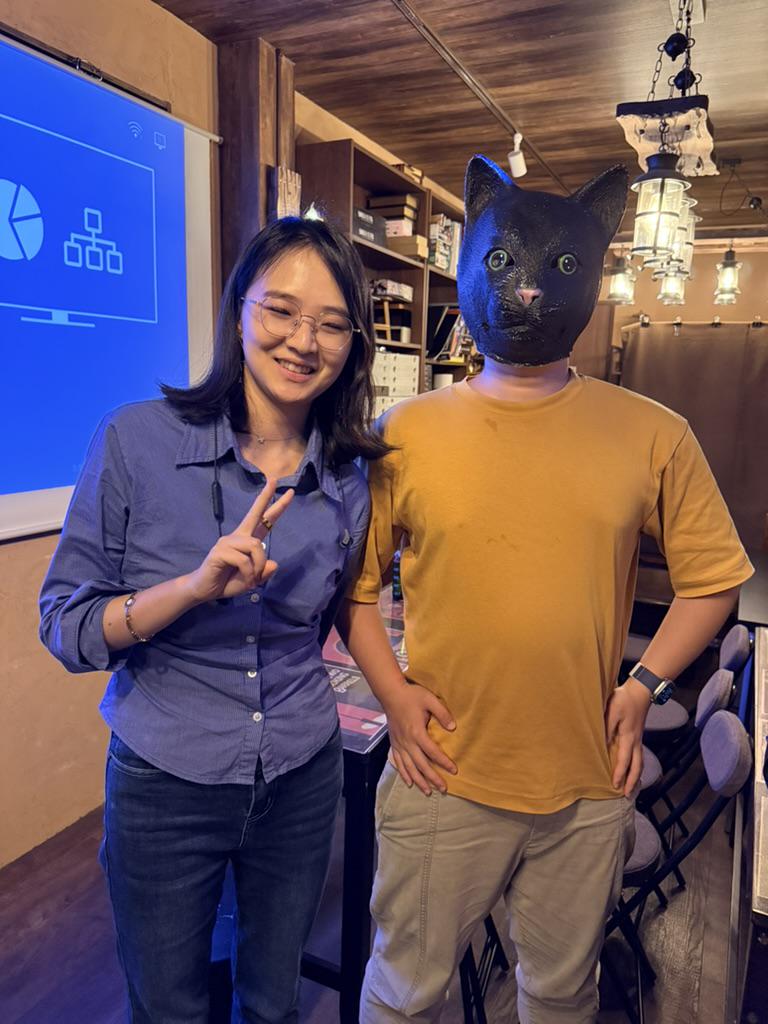
At the OpenDesign Osaka meetup, CATMAN shared the brochure with designers, developers, educators, founders, and community organizers. The example worked because everyone could see the job the artifact needed to do: organize dense information, make a property feel credible, support different audiences, and remain editable when the next request arrived.
Local context
A brochure drawn from day-to-day Japanese property sales.
Product feedback
Multilingual flexibility, reliable editing, reusable layouts, and file handoff.
Shared knowledge
A concrete example the local community could question, inspect, and reuse.
CATMAN gave OpenDesign a way to learn from how work actually moves in Japan.
Related: OpenDesign Osaka Meetup Recap ↗
From one practical workflow to a local atelier.
CATMAN’s next chapter is to keep turning familiar Japanese workflows into shared examples, useful feedback, and future community sessions.